Published September 11, 2026
ChatGPT vs Gemini vs Claude vs Grok 2026: Which One Should You Actually Use?
Four leading AI models, each excelling at something different. Instead of asking "which is best?", this guide answers a sharper question: which one actually fits your specific task?

"Which one is best?" doesn't have a real answer, because each of these four models was built with different priorities. The smarter question is: what's the nature of your task, and which one serves it best? This guide compares all four from a practical-use angle, not marketing claims.
ChatGPT — The Most Well-Rounded, Flexible Daily Driver
ChatGPT remains the default choice for most people because it has the widest feature set: image generation, file analysis, web search, and long-term memory, all bundled into one interface. Its real strength isn't dominating any single task — it's being "very good" at almost everything, which makes it the right pick for anyone who wants one tool to cover most of their needs.
Gemini — Best Google Integration, Video, and Voice
Gemini shines when you already work inside Google's ecosystem: Gmail, Docs, Sheets, and Search. Its ability to read an enormous context window makes it well-suited to analyzing very long documents or entire video files at once. It also currently leads in multimodal understanding — text, image, audio, and video woven into a single connected conversation.
Claude — Best for Long-Form Writing and Complex Coding
Claude is known for a more natural, less "robotic" writing style, which makes it a favorite among writers and editors. In coding, it stands out for maintaining coherence across large projects over long conversations, and for explaining its coding decisions instead of just dumping code with no context. If you're working on a writing or coding project that spans hours, it's the most stable option.
Grok — Fastest on Current Events and Real-Time Discussion
Thanks to its direct connection to the X platform, Grok excels at tracking live events and ongoing social media conversations. Its tone is less formal and more direct than the other models, which suits people who want blunt answers without excessive hedging — but it's less suited to tasks requiring long-term encyclopedic precision.
Don't ask which model is the smartest. Ask which model was built to serve the task in front of you right now.
A Quick Decision Guide
General everyday use ← ChatGPT. Working inside Google's ecosystem or analyzing huge files ← Gemini. Long-form writing or a complex coding project ← Claude. Tracking live events or informal direct discussion ← Grok. And there's nothing wrong with using more than one model depending on the task.
Conclusion
The biggest mistake is blind loyalty to one tool. Try the model that fits the task in front of you, not just the one you're used to — the difference in result quality is worth the extra two minutes of switching.
Read also
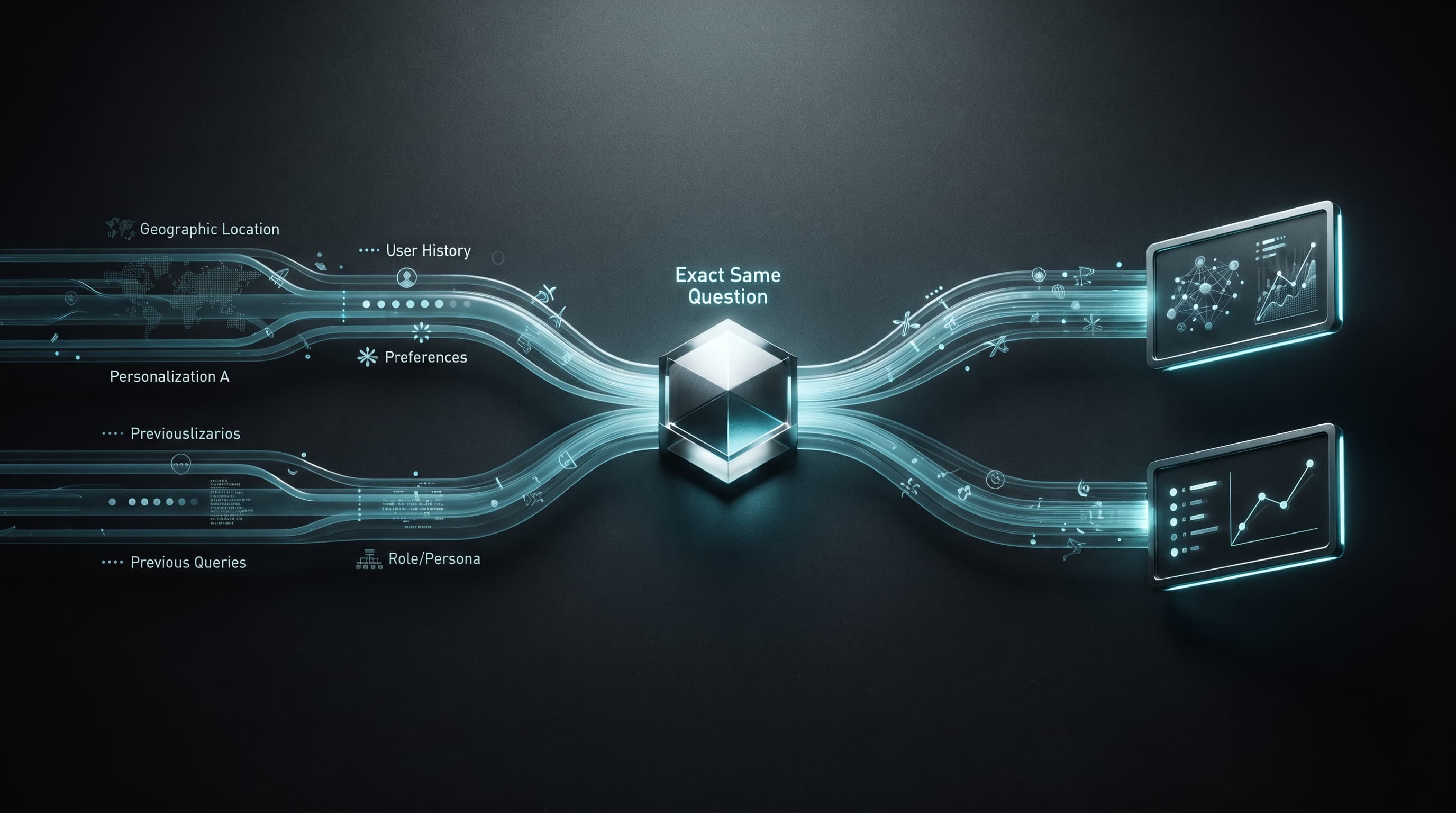
Why Does AI Give You a Different Answer Than Your Friend for the Exact Same Question?
You typed the exact same question your friend did, and you both got completely different answers. It's not a glitch — five hidden factors control every conversation.
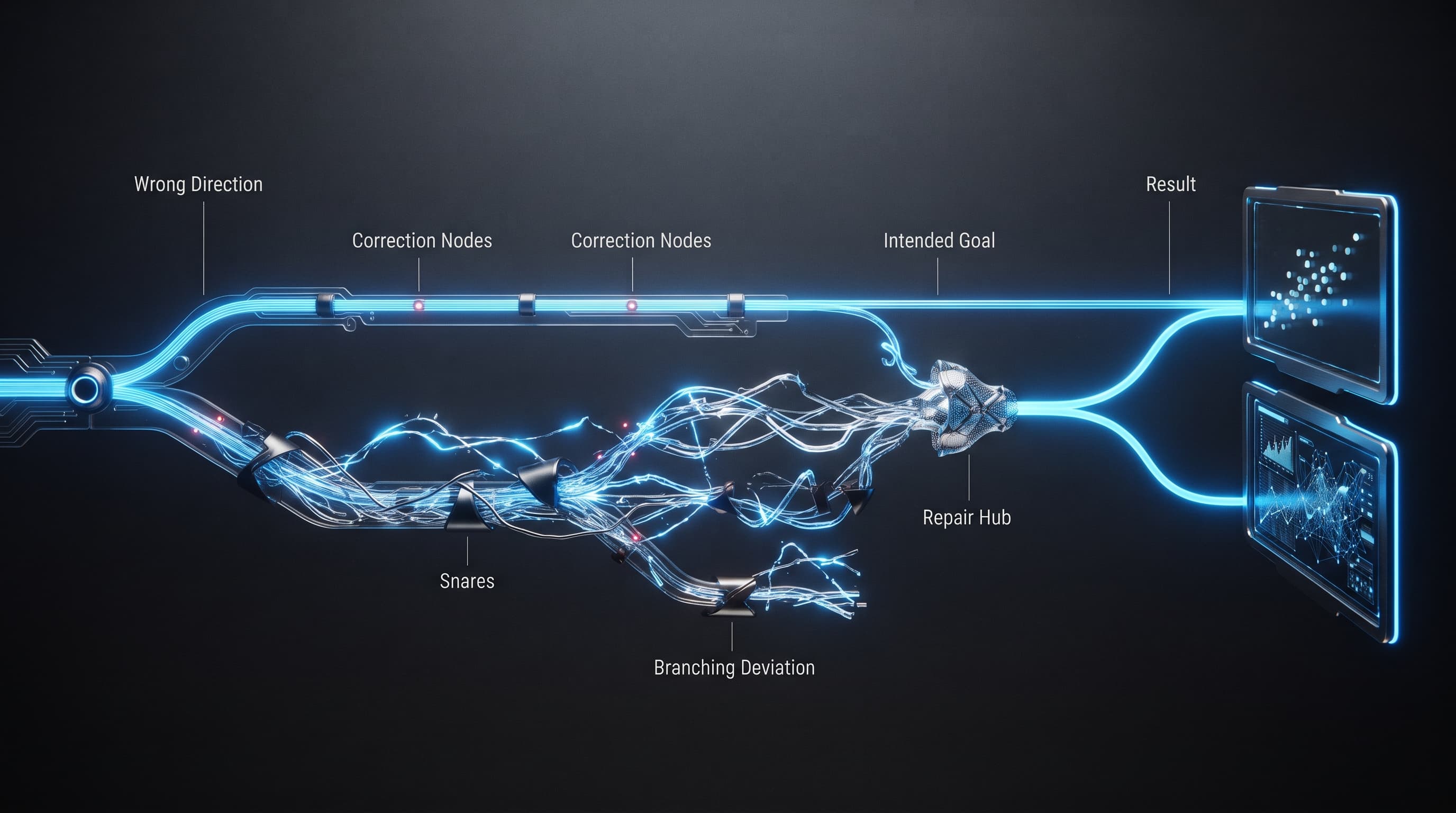
When AI Misunderstands Your Request: How to Fix the Conversation Instead of Starting Over
Most people, when a conversation goes off track, delete it and start over. That's usually the slowest possible fix. There's a faster, smarter way to correct course without losing all prior progress.

Why Does AI 'Forget' the Start of Your Long Conversation? Understanding and Controlling the Context Window
An hour into a conversation, you ask about something you mentioned at the start, and it seems to have completely forgotten. The issue is called the context window — and it's the most important technical concept nobody's explained to you yet.